Introduction
In the current digital landscape, the interplay between SEO web design enhancements and user experience plays a critical role in the success of small and mid-sized enterprises (SMEs). As digital marketing managers explore ways to improve their online presence, they often overlook the profound impact that modern aesthetic design techniques can have on SEO and conversion rates. This article will delve into how effective web design, when integrated with SEO strategies, can elevate a business’s digital performance.
The Relationship Between Design and SEO
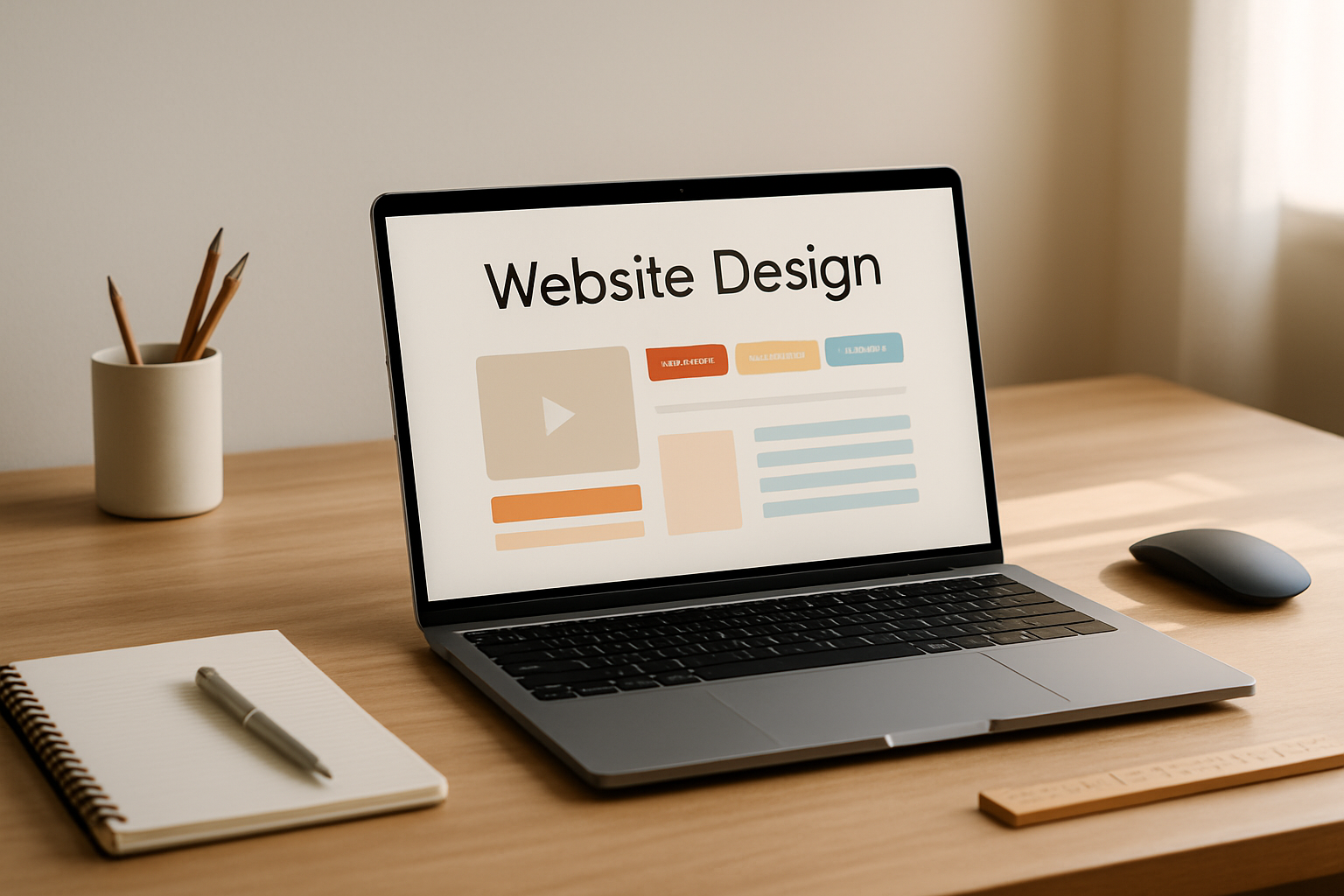
The synergy between web design and SEO is essential for maximizing visibility in search engines. Professional web design practices not only enhance user engagement but also positively influence SEO rankings. Factors such as load speed, mobile responsiveness, and clean code are fundamental to ensuring a site ranks well. However, aesthetic elements like layout, color schemes, and typography also play a vital role in keeping visitors on the page longer, which can subsequently improve SEO metrics.
1. Visual Impact and User Engagement
Design elements create the first impression of your website, and studies have shown that users make judgments about a website’s credibility within milliseconds. Utilizing modern design trends—such as minimalist aesthetics, effective use of whitespace, and engaging color schemes—can compel visitors to explore your site further, thereby reducing bounce rates.
2. Importance of Responsive Design
With the increasing use of mobile devices, responsive web design has never been more crucial. A website that adapts seamlessly to different screen sizes not only enhances user experience but is also a key factor in SEO strategies. Google’s algorithm prioritizes mobile-friendly websites, thus investing in responsive design is essential for improving search rankings.
3. Color Theory in Web Design
Color can significantly influence user behavior. Different colors evoke distinct emotions and associations. For instance, blue may convey trust and security, while red can create urgency. Understanding how colors impact conversion improvement can guide businesses in selecting palettes that resonate with their target audience. By aligning color choices with marketing goals, businesses can enhance visual impact and improve engagement.
Rectifying Common Design Mistakes
In the quest for aesthetic appeal, some common design pitfalls can detract from SEO efforts:
- Overuse of Text Overlay: While informative, excessive text can clutter your design, making it difficult for users to navigate. Simplifying content and using headings effectively can enhance clarity.
- Neglecting ALT Tags: Visual elements without proper ALT tags can harm SEO. Utilizing descriptive text for every image ensures visibility to search engines and improves accessibility.
- Poor Navigation: A complicated navigation structure can frustrate users, leading to increased bounce rates. Implementing a clean, intuitive navigation system helps retain visitors longer.
Utilizing Internal Links
Internal linking is a crucial element of SEO that is often overlooked in web design. By strategically placing internal links within your content, you guide users toward relevant information and distribute page authority throughout your website. This practice not only enhances user experience but also boosts SEO by helping search engines crawl through your site efficiently.
Implementing A/B Testing for Design Optimization
Regular testing of different design elements can reveal what resonates most with your audience. A/B testing allows businesses to measure user interactions with various design configurations, providing invaluable data for conversion optimization. Key factors to test include:
- Call-to-Action Buttons: The design, color, and placement of CTAs can significantly impact click-through rates.
- Landing Page Layouts: Testing different layouts can help determine which designs lead to higher conversions.
- Image vs. Text Content: Evaluate whether your audience responds better to visuals or text-heavy designs.
Conclusion
Integrating modern aesthetic design techniques into your website is not just a matter of making it attractive; it’s about enhancing its functionality and SEO performance. By understanding the relationship between SEO web design enhancements and user experience, digital marketing managers can capitalize on overlooked opportunities to drive higher engagement and conversions. Implementing these strategies can help SMEs stay competitive in an ever-evolving digital marketplace. Explore our services to revamp your website’s design and SEO.