Understanding Intent-Based UX Design
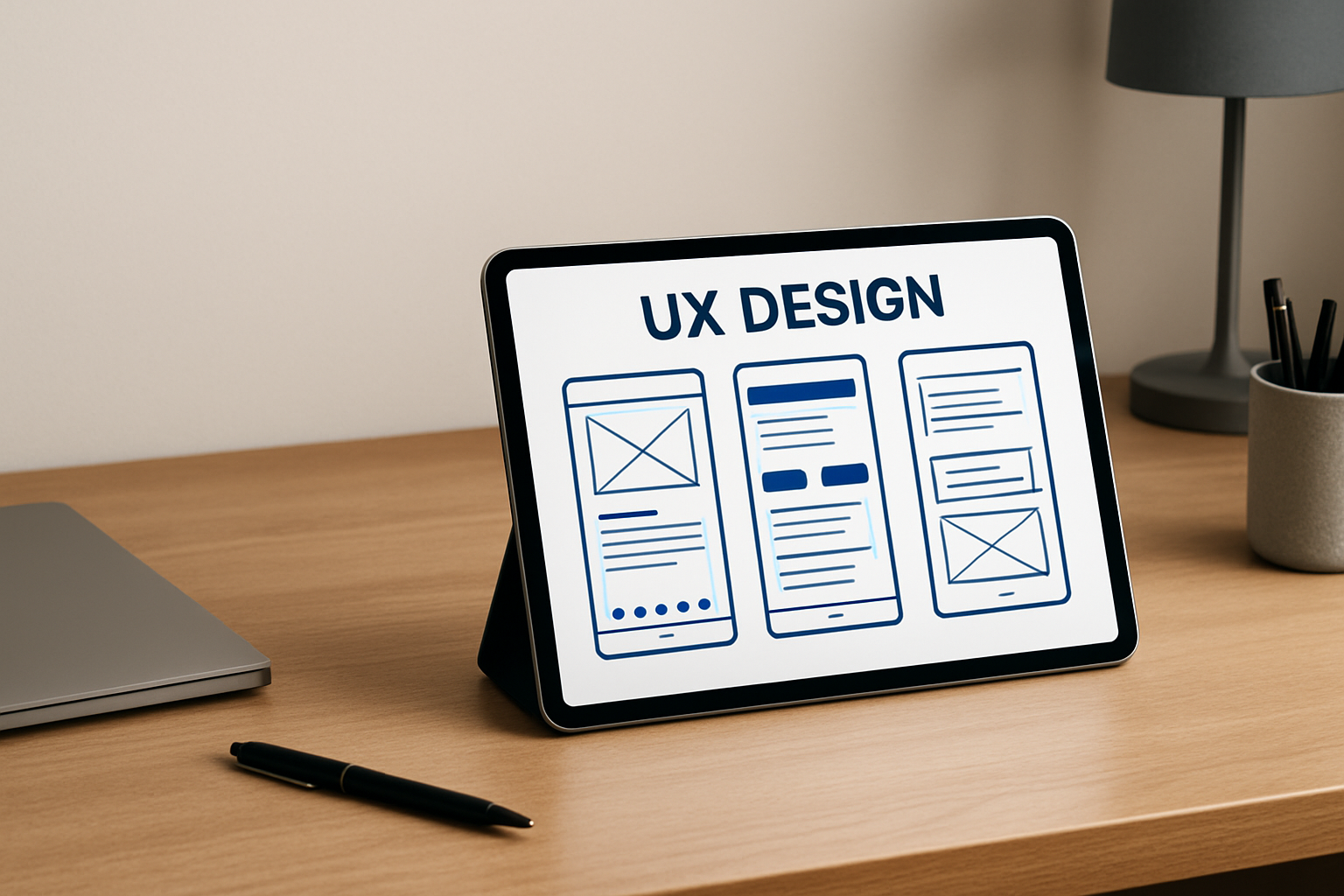
In the realm of web development, one common oversight among developers and digital marketers is the neglect of intent-based UX design. This design approach prioritizes the motivations and objectives of users, ensuring that their interactions with a website feel intuitive and purposeful. When UX design fails to align with user intent, websites can experience lower engagement rates and higher bounce rates, ultimately impacting conversion outcomes.
The Importance of User Journey Optimization
Aligning user experience with their journey is essential for creating websites that not only attract visitors but also convert them into customers. Here are a few strategies to effectively optimize user journey:
- Understanding Your Audience: Utilize analytics to discern the specific needs and behaviors of your target audience.
- Creating User Personas: Develop detailed profiles based on user research to guide your design choices.
- Mapping User Journeys: Chart out the pathways users may take on your website, considering different entry points and objectives.
A Practical Example
Consider a common scenario: an e-commerce site where users may seek out specific products. If the navigation is cluttered or unintuitive, they may abandon the site in frustration. Implementing a streamlined navigation structure that reflects user intent not only enhances their journey but also increases the likelihood of purchase. This approach illustrates an effective method of aligning UX-UI best practices with user intent to drive better results.
Avoiding Common Missteps in UX Design
Several frequent pitfalls can impede the success of intent-based UX design:
- Assuming User Knowledge: Developers often assume that users are familiar with their products or website structure, which can lead to confusion. Clear instructions and intuitive paths are key.
- Ignoring Mobile Experience: As mobile browsing increases, overlooking the mobile user experience can alienate a significant portion of your audience. Ensure your designs are responsive and user-friendly across devices.
- Overcomplicating Design: Aesthetic choices should enhance usability, not hinder it. Ensure that design decisions are grounded in user intent and accessibility needs.
Measuring Success: Key Metrics to Consider
To effectively gauge the success of your intent-based UX design, focus on the following metrics:
- Bounce Rate: A high bounce rate can indicate that users are not finding what they expect upon visiting your site.
- Conversion Rate: Measure how many visitors complete desired actions—like purchasing a product or signing up for a newsletter.
- User Feedback: Gather qualitative data through surveys or user testing to identify pain points and opportunities for improvement.
Conclusion: The Strategic Edge of Intent-Based UX Design
By focusing on intent-based UX design, web developers and digital marketers can create user experiences that resonate more deeply with their audience. Avoid the common mistakes identified in this article and prioritize aligning your design processes with user intent. This strategic approach not only enhances engagement and conversion rates but can also offer a competitive advantage in the demanding digital landscape.
To explore more about this topic, visit our Web Design Services.