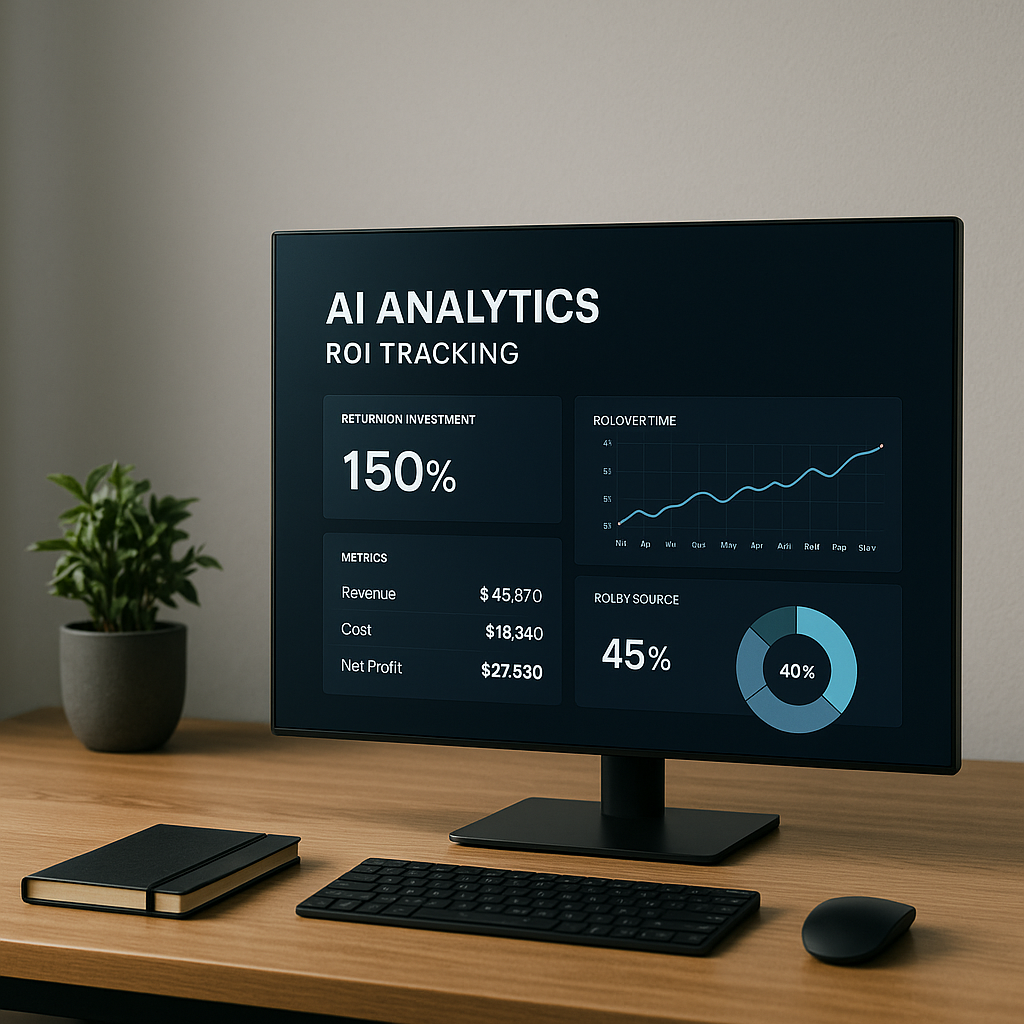
Understanding the Importance of AI-Driven ROI Tracking
In the increasingly data-driven world of digital marketing, businesses are continually seeking ways to enhance their campaign performance. A critical component that often goes overlooked is AI-driven ROI tracking. This strategy not only measures the effectiveness of marketing efforts but also highlights areas for improvement and optimization.
What Is ROI in Digital Marketing?
Return on Investment (ROI) in digital marketing refers to the ratio between the net profit from marketing activities and the cost of those activities. By leveraging AI analytics tools, businesses can gather and analyze performance metrics that provide deeper insights into customer behaviors and campaign effectiveness.
The Benefits of AI in Measuring ROI
- Enhanced Accuracy: AI tools can analyze vast amounts of data in real-time, helping businesses to gauge the success of their campaigns with greater precision.
- Predictive Analytics: AI-driven metrics can forecast future performance based on historical data, enabling marketers to allocate budgets more effectively.
- Customization: With AI, businesses can tailor their marketing strategies to target specific customer segments, enhancing engagement and conversion rates.
Common Mistakes in AI-Driven ROI Tracking
Despite the evident advantages, many businesses make critical errors when integrating AI-driven ROI tracking into their strategies. Understanding these pitfalls can save both time and resources.
Overlooking Data Quality
One significant mistake is neglecting the quality of data being fed into AI systems. Poor-quality data can lead to inaccurate insights and misguided marketing efforts. Ensure that your data is clean, relevant, and accurate before analysis.
Ignoring Human Insights
While AI offers robust data analysis capabilities, it should complement, not replace, human judgment. Marketers must interpret AI-generated insights and contextualize them within broader market trends to make informed decisions.
Practical Steps to Implement AI-Driven ROI Tracking
To effectively integrate AI-driven ROI tracking into your campaigns, consider the following strategies:
- Define Clear Metrics: Establish what success looks like for your campaigns by setting specific, measurable key performance indicators (KPIs).
- Utilize AI Analytics Tools: Invest in robust AI analytics platforms that can seamlessly integrate with your existing marketing tools. Check out MediaGround’s analytics services for tailored solutions.
- Regularly Analyze Results: Continuously monitor and assess your campaign performance to tweak strategies accordingly. This practice helps in amplifying successful tactics while phasing out underperformers.
Measuring the True Impact of AI-Driven Metrics
Understanding the real influence of AI on your ROI is crucial. Here’s what you should measure:
- Customer Acquisition Cost (CAC): Evaluate the total costs associated with acquiring a new customer through various digital channels.
- Conversion Rates: Track the percentage of visitors who complete desired actions, providing insight into overall campaign effectiveness.
- Lifetime Value (LTV): Calculate the total revenue expected from a customer over their entire relationship with your brand. This metric is vital for long-term planning.
Conclusion
AI-driven ROI tracking presents a compelling opportunity for small and mid-sized businesses aiming to refine their digital marketing strategies. By avoiding common pitfalls and embracing AI tools, businesses can bridge the execution gap in their campaigns, achieving better performance metrics and ultimately higher returns on their investments.
To learn more about enhancing your campaign ROI with AI tools, feel free to explore MediaGround’s analytics and attribution services.