Understanding First-Party Data
In today’s digital marketing landscape, the concept of first-party data strategies has emerged as a critical focal point for businesses looking to enhance their marketing performance. First-party data refers to the information collected directly from your customers, which may include their purchase history, website interactions, and engagement metrics. Unlike third-party data, which is gathered from various external sources, first-party data offers significant advantages such as accuracy, relevance, and compliance with data privacy regulations.
The Importance of First-Party Data
First-party data enables businesses to build comprehensive customer profiles, providing valuable insights that can inform marketing strategies. By leveraging these insights, digital marketing managers can deliver personalized marketing experiences that resonate with their target audiences. For small and mid-sized enterprises (SMEs), this means having greater control over marketing campaigns and optimizing resource allocation effectively.
Implementing Effective First-Party Data Strategies
Implementing first-party data strategies doesn’t have to be overwhelming. Here are some practical steps SMEs can take to utilize first-party data effectively:
1. Establish Clear Data Collection Guidelines
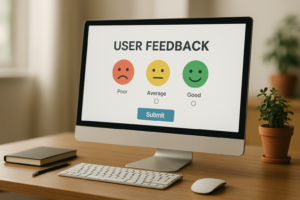
Start by defining what data is relevant for your business. Ensure that your customer insights gathering processes are transparent and ethical, allowing customers to consent to the data collection procedure. This puts you in control of your data while aligning with the evolving landscape of data privacy.
2. Utilize Data Management Platforms
Data management platforms (DMPs) can help automate the collection and segmentation of first-party data. By integrating tools that allow you to track user behavior on your website, you’ll gain insights into customer preferences and choices, paving the way for more effective marketing strategies.
3. Invest in Customer Relationship Management (CRM) Software
Implementing a CRM system enables you to manage customer interactions efficiently while collecting first-hand data across various touchpoints. This not only facilitates personalized communication but also helps you maintain high standards of user consent and transparency.
Maximizing Personalized Marketing through First-Party Data
Once you have established a solid foundation for collecting first-party data, the next step is to leverage it for personalized marketing initiatives. Personalized marketing relies on targeted messaging tailored to individual customer preferences. Here are a few tactics for utilizing your first-party data:
1. Create Segmented Email Campaigns
Use customer data to segment your email lists based on behavior, demographics, or previous purchases. This allows you to send tailored messages that resonate with specific audience segments, improving open rates and engagement.
2. Implement Retargeting Campaigns
Use first-party data to retarget customers who have previously interacted with your brand. By serving personalized ads based on past behavior, you increase the likelihood of conversion.
3. Offer Tailored Content Experiences
Develop content that aligns with user interests derived from your collected data. Use blog posts, videos, and other formats to cater to the preferences of different customer segments, enhancing the overall user experience.
Monitoring and Measuring Success
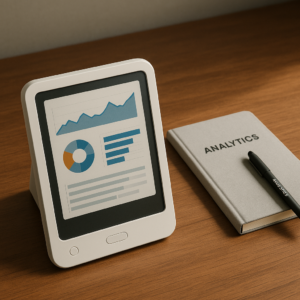
Employing first-party data strategies is not enough; you need to continuously measure their effectiveness. Utilization of analytics tools helps track engagement and conversion metrics, enabling data-driven improvements to your campaigns.
Key Performance Indicators (KPIs) to Consider
- Customer acquisition costs
- Engagement rates (open rates, click-through rates)
- Conversion rates from targeted campaigns
- Customer lifetime value (CLV)
Focusing on these metrics will guide your decision-making and allow you to adjust strategies if necessary.
Wrapping Up: The Future of First-Party Data Strategies
In conclusion, the integration of first-party data strategies within your digital marketing framework presents a golden opportunity for SMEs to enhance performance. By focusing on ethical data use, investing in relevant software tools, and continuously testing your strategies, you can achieve improved customer insights and, ultimately, better marketing outcomes. For more information on implementing effective data strategies, reach out to our analytics services.