Introduction
In the rapidly evolving landscape of digital marketing, leveraging first-party data in digital marketing has become increasingly essential for small and medium enterprises (SMEs). With growing concerns over data privacy and increased regulation, businesses must prioritize the effective utilization of this data to enhance customer engagement while ensuring compliance. This article will delve into practical strategies for SMEs to bridge the execution gap by utilizing first-party data to drive meaningful marketing outcomes.
Understanding First-Party Data
First-party data is information that a business collects directly from its customers or users. This can include data from website interactions, purchase histories, customer feedback, and more. In contrast to third-party data, which is bought from external sources, first-party data is inherently more reliable as it provides direct insights into customer behavior and preferences.
Importance of First-Party Data
The significance of first-party data transcends mere compliance with privacy regulations; it enhances a company’s marketing efforts in the following ways:
- Personalization: By understanding user preferences, businesses can tailor their marketing messages and offers, significantly improving customer engagement.
- Improved Analytics: First-party data allows for accurate tracking and measurement of marketing effectiveness, leading to better strategic decisions.
- Customer Loyalty: Personalization built on first-party data can enhance the customer experience, thereby fostering loyalty and repeat business.
Bridging the Execution Gap
Many SMEs overlook the practical application of first-party data, leading to an execution gap in their digital marketing strategies. Here are actionable insights to effectively utilize first-party data:
1. Collecting First-Party Data Effectively
The first step to leveraging first-party data is implementing robust data collection strategies. Here are a few methods:
- Website Cookies: Implement tools that track user activity on your website, providing insights into user behavior.
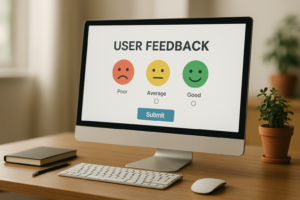
- Surveys and Feedback Forms: Encourage customers to share their preferences directly through surveys, helping you gather qualitative data.
- Purchase History: Analyze transaction data to uncover trends and preferences that can inform marketing initiatives.
2. Utilizing Privacy-Focused Analytics
In the era of heightened privacy concerns, it’s important to integrate privacy-focused analytics. This means adopting analytical tools that respect user privacy, such as:
- Consent Management Platforms: Tools that ensure user consent is captured before data collection.
- Anonymous Data Analysis: Leveraging aggregated data insights without compromising individual user identities.
3. Personalizing Customer Engagement
Once the data is collected, SMEs should focus on personalizing marketing efforts. Here’s how:
- Segmented Email Campaigns: Use first-party data to create targeted email campaigns that resonate with specific customer segments.
- Tailored Promotions: Develop offers that directly reflect the preferences captured through your data collection efforts.
- Dynamic Content: Adapt website content based on user behavior to enhance engagement on each visit.
Measuring Success
A key component of closing the execution gap is measuring the effectiveness of your strategies. SMEs should track:
- Engagement Metrics: Monitor open rates, click-through rates, and conversion rates on personalized campaigns.
- Customer Feedback: Continuously gather insights through surveys to refine your personalization strategies.
- Return on Investment: Assess the overall impact of first-party data utilization on marketing spend and customer acquisition costs.
Conclusion
To maximize the potential of first-party data in digital marketing, SMEs must adopt a strategic approach that emphasizes data collection, privacy compliance, and personalized customer engagement. By doing so, they can not only enhance customer experiences but also achieve significant marketing outcomes. As the digital landscape continues to evolve, those who effectively leverage their first-party data will find themselves at a substantial advantage. Explore our data-driven strategies for SMEs to drive sustainable growth.