Introduction to AI-Driven Personalization
In the fast-paced world of digital marketing, AI-driven personalization stands out as a critical strategy for enhancing customer engagement and improving brand loyalty. Many small and mid-sized businesses overlook the significant benefits that come from crafting hyper-personalized brand experiences using AI technology. By understanding and implementing AI-driven personalization techniques, businesses can effectively resonate with their audiences and significantly boost conversion rates.
The Role of AI in Creating Personalized Experiences
Artificial Intelligence plays a pivotal role in personalization by analyzing vast amounts of customer data. This data-driven approach helps businesses understand customer preferences, behaviors, and purchasing patterns, ultimately leading to tailored engagement that speaks directly to individual needs.
Understanding Customer Engagement Through AI
AI-driven personalization allows businesses to create highly engaging brand experiences that foster loyalty. When customers feel understood and valued, they are more likely to engage with a brand repeatedly. Here’s how it works:
- Data Collection: Gather insights through analytics, surveys, and customer feedback. AI systems can process this information to identify patterns.
- Segmentation: AI can segment audiences into distinct groups based on shared characteristics, allowing for more precise targeting.
- Content Customization: Use AI to tailor messaging and offers based on customer preferences, behaviors, and purchase history.
Hyper-Personalization: A Step Beyond Traditional Approaches
Unlike simple personalization, which might involve addressing customers by their names or recommending products based on previous purchases, hyper-personalization uses AI to predict what a customer might want next. This strategy includes a multi-channel approach, integrating interactions from social media, email campaigns, and online behavior.
Practical Implementation Techniques for AI-Driven Personalization
To effectively leverage AI-driven personalization in marketing, consider implementing the following techniques:
1. Utilize Predictive Analytics
Employ predictive analytics tools to anticipate customer needs. By analyzing historical data, businesses can forecast trends and adjust marketing strategies proactively.
2. Implement Marketing Automation Tools
Integrate marketing automation platforms that utilize AI to manage campaigns. This not only saves time but allows for more personalized outreach at scale. For instance, tools can automatically send tailored emails based on user behavior on your website.
3. Create Dynamic Content
Dynamic content adapts to the viewer’s profile during web and email interactions. AI can help design layouts and messaging that automatically change based on attributes like location, past purchases, and user behavior.
4. Leverage User Data Effectively
Collecting and utilizing first-party data is essential. Encourage customers to provide information through loyalty programs or feedback loops, which AI can then analyze for actionable insights.
Measuring Success: Metrics to Monitor
To understand the impact of AI-driven personalization on your marketing efforts, keep an eye on these key performance indicators (KPIs):
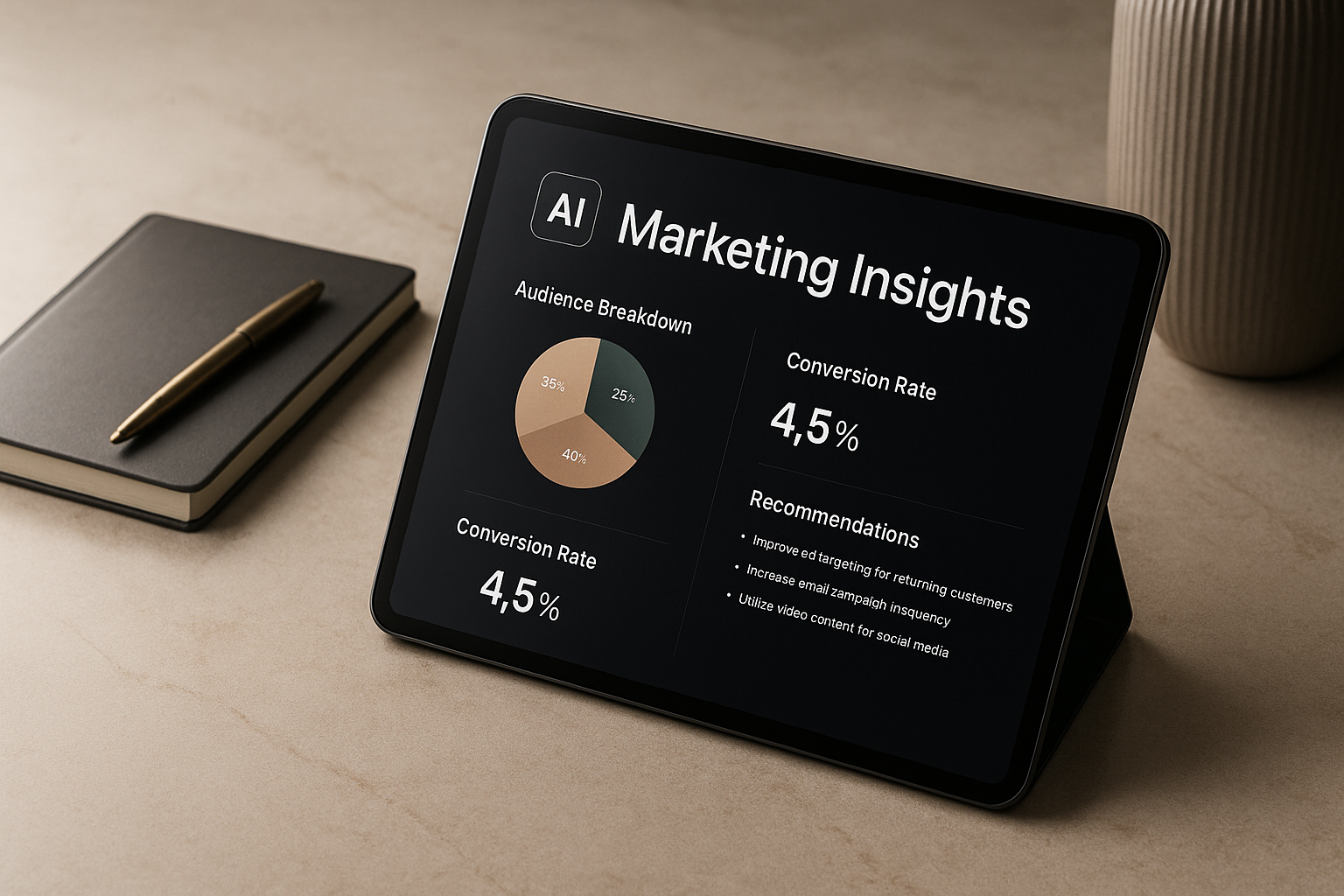
- Conversion Rates: Track how personalized campaigns perform against generic ones.
- Customer Lifetime Value (CLV): Monitor how personalization affects customer loyalty and long-term value.
- Engagement Rates: Evaluate interactions on social media and email metrics to assess how well your personalized content is resonating.
Overcoming Common Challenges in AI-Driven Personalization
Although AI-driven personalization is powerful, many businesses face challenges in execution:
- Data Privacy Concerns: Ensure compliance with regulations and respect user privacy while collecting data.
- Resource Constraints: Small and mid-sized businesses may lack the resources for full-scale implementation, but gradual integration can be effective.
- Skill Gaps: Invest in training or hiring skilled professionals who understand AI technologies and their application in marketing.
Conclusion: The Future of Customer Engagement
AI-driven personalization is not just a trend; it is a fundamental shift in how businesses engage with their customers. Small and mid-sized businesses that adopt these strategies can enhance customer loyalty, improve engagement, and drive conversions effectively. By investing in AI capabilities and embracing personalization, businesses position themselves to thrive in today’s competitive digital landscape. Explore comprehensive AI integration solutions on our website to transform your marketing strategy.