Understanding Traditional SEO Metrics
Traditional SEO metrics have long been the backbone of digital marketing strategies. These metrics typically include rankings, organic traffic, and conversion rates. While these indicators provide valuable insights into SEO efficacy, they often fail to capture the complete picture. Small and mid-sized enterprises (SMEs) may find themselves limited by solely relying on these historic metrics.
Common Traditional Metrics
- Keyword Rankings: Monitoring how well your site ranks for targeted keywords is crucial, but it doesn’t tell the full story about user interaction or engagement.
- Traffic Volume: While high traffic is a good sign, it doesn’t always translate into engaged visitors or conversions.
- Backlink Profile: The quantity and quality of backlinks can show authority but not necessarily relevance to your audience’s evolving interests.
The Shift to AI-Driven SEO Insights
As we move into 2026, the landscape of digital marketing is changing, notably with the integration of AI-driven insights. AI enables advanced analytics that goes beyond the limitations of traditional metrics by providing a more nuanced understanding of user behavior and preferences.
Benefits of AI-Driven Insights
- Enhanced Personalization: AI can analyze user data in real-time, allowing for tailored content delivery that resonates with specific segments of your audience.
- Predictive Analysis: Forecasting trends and user engagement through predictive metrics can help shape strategies ahead of time.
- Deeper Engagement Analysis: Understanding not just traffic numbers, but how users interact with your content can offer insights for improvement.
Comparative Analysis: Traditional vs. AI-Driven Metrics
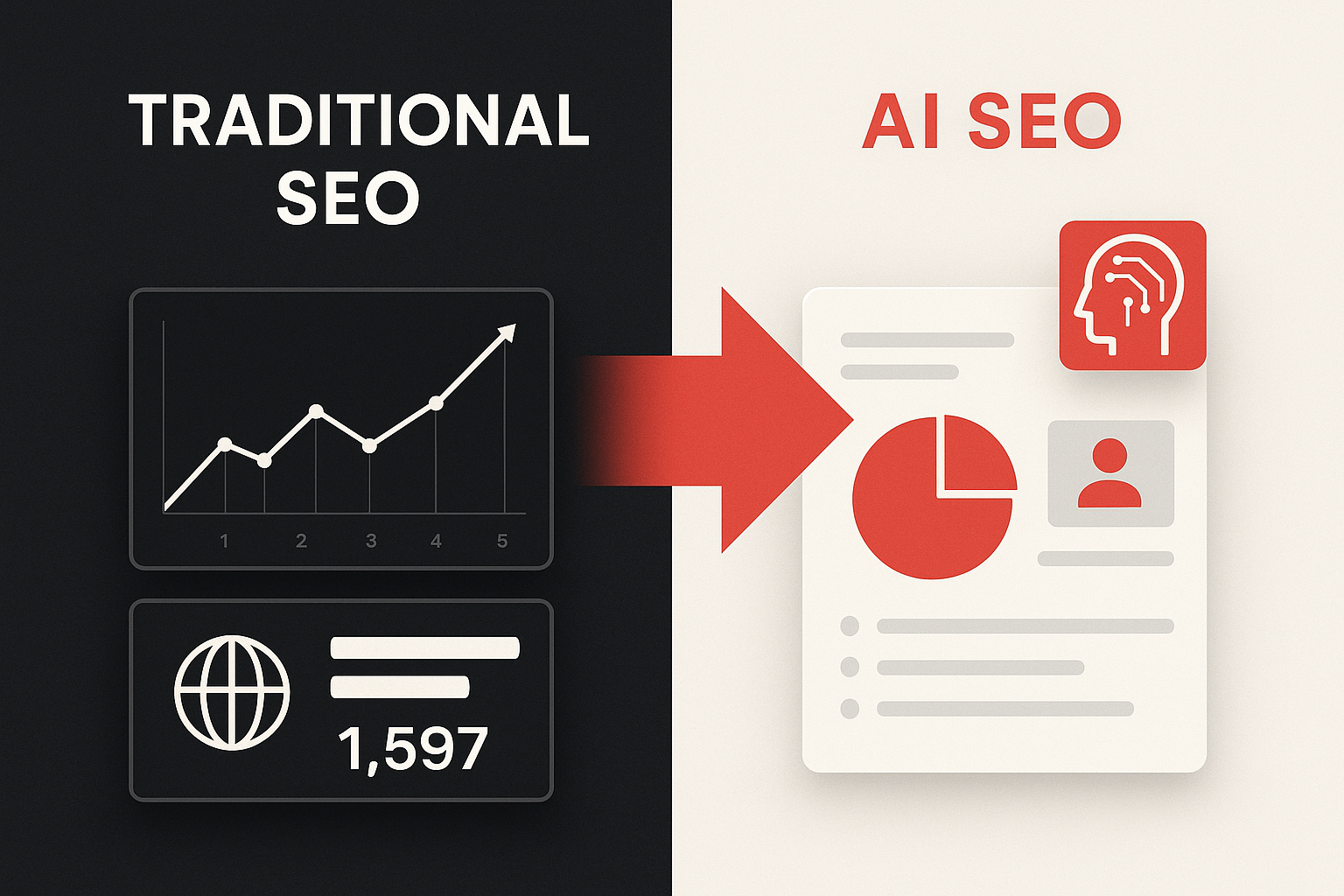
To better understand the evolving landscape, consider a practical comparison between traditional SEO metrics and AI-driven insights.
1. Keyword Rankings vs. Intent Analysis
While traditional SEO focuses on keyword rankings, AI tools utilize intent analysis to better understand user queries and behaviors. This shift helps marketers create content that answers the specific needs of their audience.
2. Traffic Volume vs. Engagement Metrics
Focusing on just traffic volume is misleading. AI tools provide insights into engagement metrics, such as time spent on page and scroll depth, to better gauge user behavior and content effectiveness.
3. Backlinks vs. Content Authority Graphs
Traditional metrics gauge backlinks for authority, while AI can analyze content relevance and semantic relationships across various web domains, providing a broader view on credibility.
Implementing AI-Driven Insights in Your SEO Strategy
For SMEs looking to adapt to this new approach, integrating AI into your SEO strategy may seem daunting. However, several steps can simplify the process:
- Run a Competitor Analysis: Use AI tools to review competitors’ strategies and uncover any missed opportunities.
- Invest in AI Tools: Platforms that offer AI analytics can aid in gathering actionable insights without over-reliance on traditional data.
- Focus on User Intent: Shift content creation to focus on what users are genuinely searching for, leveraging AI to improve keyword strategy!
- Monitor and Adapt: Regularly assess the performance of your AI-driven strategies. Metrics should not just be collected but analyzed and optimized accordingly.
The Future of SEO: An Integrated Approach
The most successful strategies in 2026 will likely integrate both traditional and AI-driven insights. By understanding where traditional metrics fall short, SMEs can arm themselves with the insights necessary to thrive in a competitive market.
Conclusion
In conclusion, traditional SEO metrics still hold relevance, but the inclusion of AI-driven insights in your strategy can lead to more comprehensive understanding and better results. The evolution towards a more sophisticated approach to SEO is not just a trend; it’s essential for SMEs aiming for impactful digital marketing. By leveraging advanced analytics, you can stay ahead of the curve and meet your audience’s needs effectively.
For more information and support, visit our SEO services page or download our free guide on integrating AI into your SEO strategy.