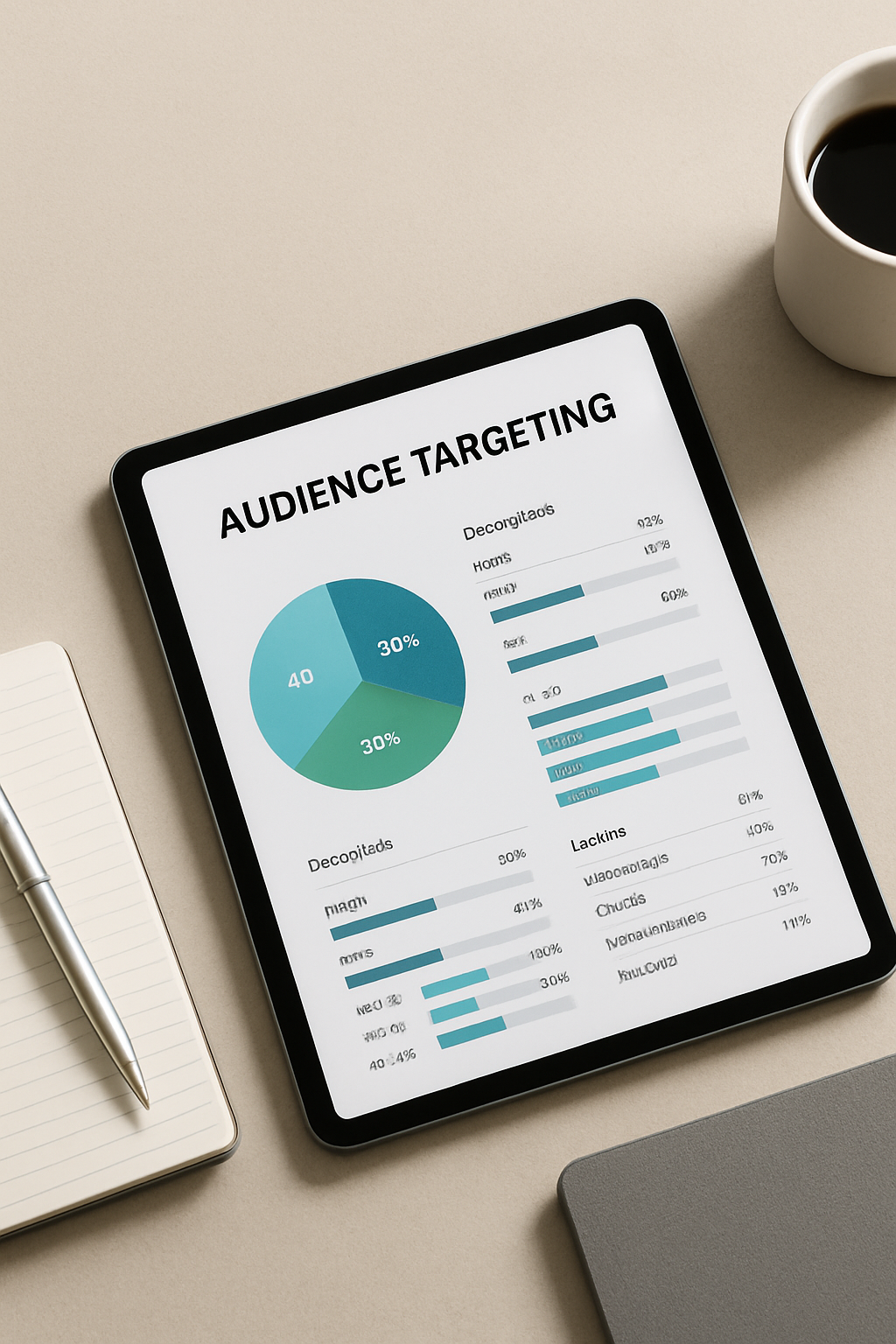
Understanding AI Audience Targeting
As digital marketing evolves, professional marketers must adapt to new technologies that shape consumer interactions. One such technology is AI audience targeting, which uses data analytics and machine learning algorithms to identify and reach specific audiences with tailored marketing messages. This approach not only streamlines advertising efforts but also significantly enhances campaign effectiveness.
The Importance of Precision Marketing
Precision marketing entails directing marketing efforts to the right individuals at the right time, leading to higher conversion rates and improved return on investment (ROI). By leveraging AI in digital marketing, SMEs can achieve precision that traditional methods often fail to provide.
Common Mistakes in Audience Segmentation
Despite the advancements offered by AI, many digital marketers still fall back on outdated segmentation practices, leading to inefficient campaigns. One common mistake is not fully utilizing data analytics for audience profiling. Without comprehensive analysis, marketing messages may reach irrelevant audiences, wasting resources and time.
Overlooked Opportunity: Aligning AI Insights with Campaign Goals
Marketers often collect data without clear objectives, missing insights that could drive campaign success. To effectively harness the power of AI in digital marketing, professionals should ensure AI insights align with specific marketing goals. This alignment allows for the creation of targeted marketing messages that resonate with the audience’s preferences and behaviors.
Measuring Success with AI
To determine the effectiveness of AI-driven campaigns, it’s essential to identify key performance indicators (KPIs) that reflect audience engagement and conversion success. By contrasting digital campaign success metrics from AI-targeted efforts against those from traditional approaches, marketers can make informed adjustments and strategize more effectively.
Case Studies of AI Integration
Numerous businesses have successfully utilized AI to enhance their audience targeting, leading to improved engagement rates. These case studies illustrate the potential for SMEs to implement similar strategies, emphasizing the transformative power of data-driven insights.
Practical Steps to Implement AI Audience Targeting
- Utilize Analytics Tools: Invest in robust analytics platforms to gather and interpret data about your target audience.
- Define Clear Campaign Goals: Clearly outline what you want to achieve with your marketing efforts.
- Test and Iterate: Regularly test different audience segments and messaging to refine your approach based on performance data.
- Stay Informed: Keep abreast of advancements in AI technologies to continually enhance your targeting strategies.
Conclusion
Incorporating AI audience targeting into your marketing strategy presents a wealth of advantages. By aligning AI insights with campaign goals, marketers can create highly targeted campaigns that not only reach but engage specified audiences effectively. As this technology continues to develop, embracing precision marketing through AI could be the key to unlocking greater success in digital campaigns for small to medium-sized enterprises.
For further information on enhancing your audience targeting, consider exploring our analytics and attribution services.