Introduction to AI-Driven Web Design
The world of web design is evolving rapidly, and one of the most significant shifts is the integration of artificial intelligence (AI) into the design process. As digital marketing managers, understanding the advantages of AI-driven web design can not only enhance the aesthetics of your website but also improve user experience (UX) and engagement rates. This article delves into practical strategies to leverage AI tools in your web design projects, ensuring you stay ahead in the competitive digital landscape.
The Role of AI in Visual Design Optimization
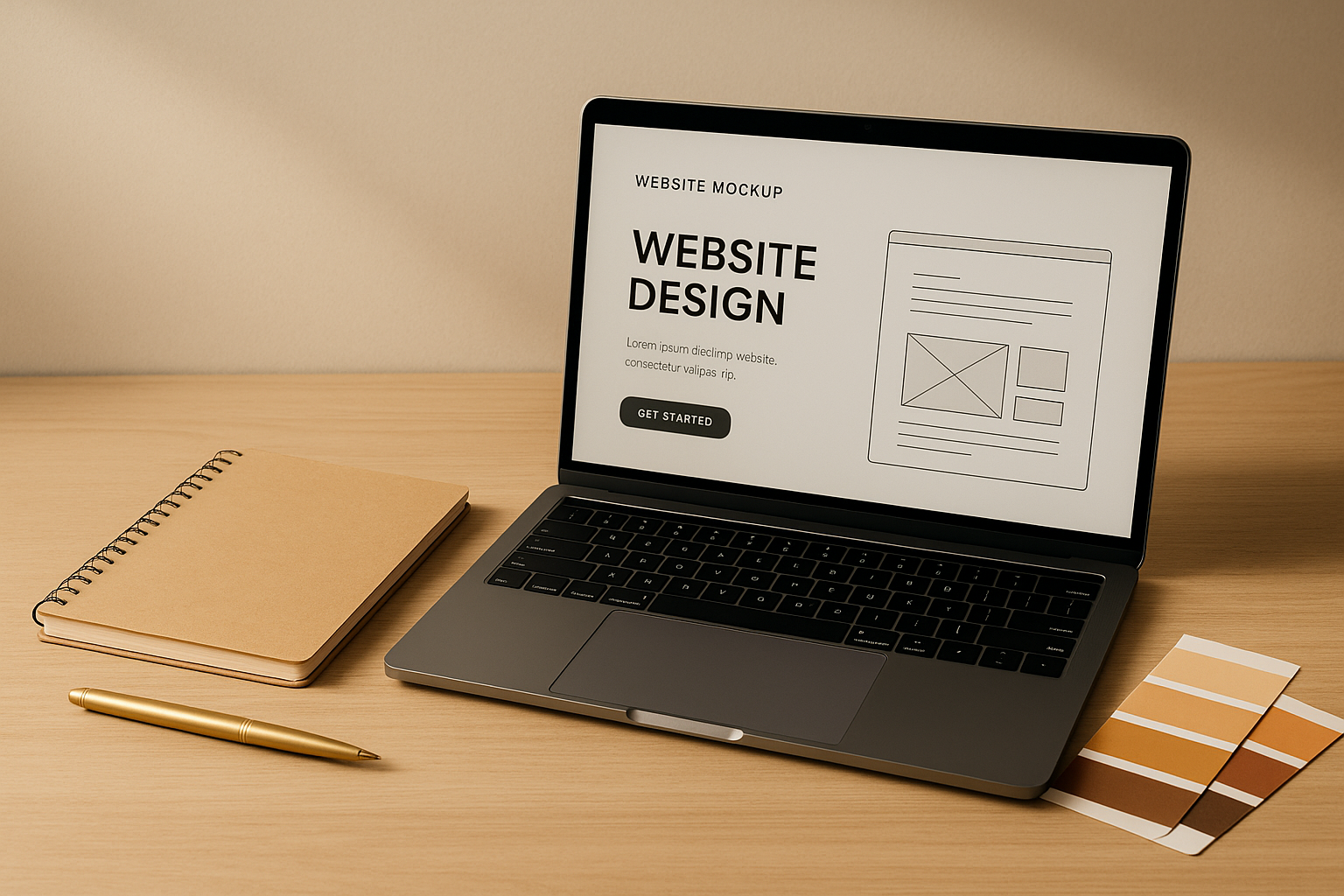
AI can optimize visual design in ways that were previously unimaginable. With powerful algorithms, AI analyzes patterns, color palettes, and user interactions to suggest design enhancements that resonate with target audiences. This capability is particularly beneficial for creating visually appealing layouts that captivate users. For instance, AI design tools can recommend the best-contrasting colors or suggest layouts based on user behavior data.
Benefits of Integrating AI Aesthetics in Web Design
- Increased Customization: AI can generate personalization options tailored to individual user preferences, making the browsing experience more enjoyable.
- Speed and Efficiency: AI tools facilitate rapid design iterations, allowing for immediate adjustments based on user feedback.
- Data-informed Decisions: By analyzing large datasets, AI aids in making decisions that enhance both visual appeal and functionality.
Key AI Design Tools for Enhancing UX
Utilizing reliable AI design tools can significantly streamline your design process. Here are some noteworthy tools to consider:
- Adobe Sensei – Uses AI algorithms to enhance images and automate repetitive tasks.
- Canva’s Magic Resize: This tool optimizes designs for various platforms without missing a beat.
- Figma: With AI features, Figma helps in creating user-centric designs efficiently, allowing for real-time collaboration.
Integrating AI for Enhanced User Experience
Aesthetic design is not the only area where AI is making strides; user experience can be greatly improved too. For instance, implementing AI-driven chatbots can lead to more engaging interactions. These bots can provide instant assistance to users, enhancing their journey on your website.
Measuring the Impact of AI-Driven Enhancements
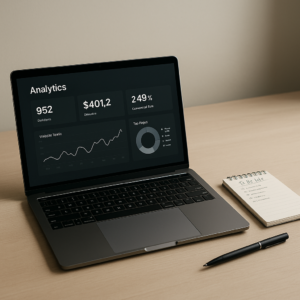
To justify your investment in AI design tools, it’s crucial to measure their impact on user experience and engagement. Digital marketing managers should focus on key performance indicators (KPIs) such as:
- Bounce Rate: A lower bounce rate indicates that users find your design engaging.
- Time on Site: Increased time spent can reflect a positive user experience resulting from effective design.
- Conversion Rate: Ultimately, the goal of any web design is to convert visitors into customers.
Conclusion: Embrace AI-Driven Web Design
In sum, AI-driven web design is not just a trend; it is a strategic necessity for modern digital marketing. By integrating AI aesthetics into your web design projects, you enhance user experience and engagement significantly. Digital marketing managers should explore opportunities and tools available for leveraging AI in web design. Embracing these technologies will ensure that your strategies not only meet user needs but also exceed their expectations, thus paving the way for sustained success.
Explore how AI can revolutionize your web design strategy.