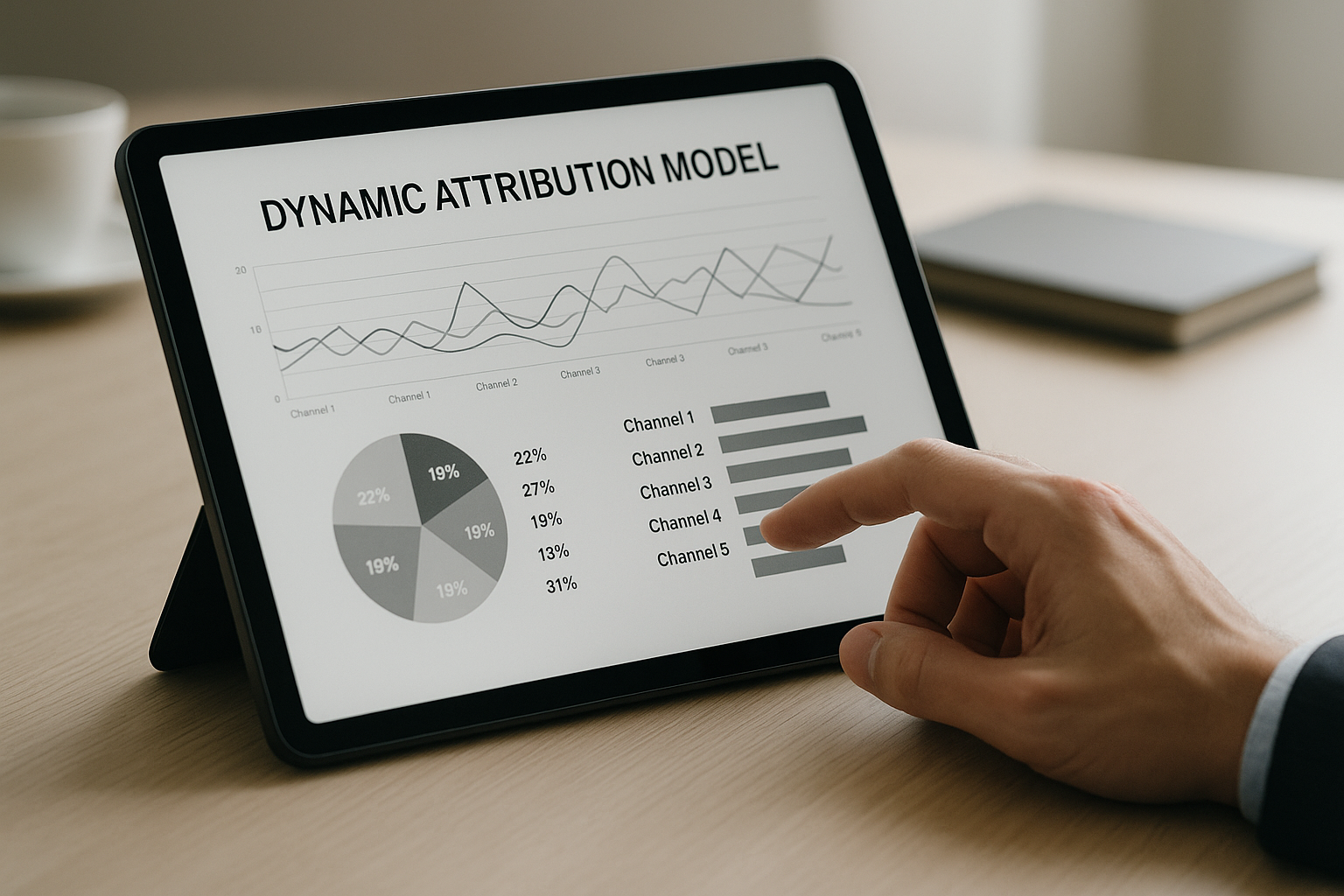
Introduction to Dynamic Attribution Models
As digital marketing continues to evolve, one of the most overlooked opportunities for enhancing marketing ROI lies in dynamic attribution models. These models enable businesses to measure the effectiveness of their marketing efforts across multiple channels, offering deeper insights than traditional attribution methods. In this article, we will explore what dynamic attribution models are, why they matter, and how to leverage them to boost your marketing performance.
Understanding Dynamic Attribution
Dynamic attribution models differ from static models by assigning value to marketing touchpoints based on the unique customer journey. Instead of a one-size-fits-all approach, dynamic models consider various factors—such as timing, interaction types, and customer behaviors—making them more reflective of real-world complexities.
Types of Dynamic Attribution Models
- Data-Driven Attribution: Uses machine learning to analyze historical data and assign conversion credit based on actual customer journeys.
- Time Decay Attribution: Gives more weight to interactions that occur closer to conversion, emphasizing the importance of recent touchpoints.
- U-Shaped Attribution: Assigns significant credit to the first and last interactions while distributing the remaining credit among the middle touchpoints.
The Importance of Dynamic Attribution Models
Employing dynamic attribution models can significantly enhance your marketing strategies. Here are a few reasons why:
- Accurate Measurement: By accurately measuring the impact of each marketing channel, businesses can allocate their budgets more effectively, leading to higher conversion optimization.
- Better Insights: Dynamic models provide actionable insights into customer behavior, enabling marketers to tweak campaigns in real-time.
- Improved ROI: When businesses understand which channels and strategies are driving conversions, they can prioritize spending in areas that yield the best returns.
Implementing Dynamic Attribution Models
To effectively leverage dynamic attribution models, here are several practical steps to consider:
1. Integrate Your Data Sources
Data integration is key to any successful attribution model. Ensure that your analytics strategies incorporate data from all marketing channels, including social media, email marketing, and PPC campaigns. This comprehensive view will provide a clearer picture of your marketing ecosystem.
2. Choose the Right Attribution Model for Your Business
Not all attribution models will suit every business. Analyze your marketing objectives, customer journey, and available data to choose the model that aligns best with your goals.
3. Regularly Review and Adjust Your Strategies
The digital marketing landscape is continually changing. Regularly assess your attribution performance, making adjustments where necessary to optimize your campaigns for improved results.
Measuring Success with Dynamic Attribution
To gauge the effectiveness of your dynamic attribution model, focus on the following metrics:
- Attribution Accuracy: Measure how closely your attribution results match actual sales data.
- Customer Journey Insights: Gain insights into how customers move through the sales funnel and identify any bottlenecks.
- Marketing ROI: Track changes in your ROI based on adjusted marketing strategies facilitated by dynamic attribution insights.
Conclusion
Dynamic attribution models present an overlooked opportunity to enhance your marketing ROI significantly. By understanding how these models work and implementing them effectively, digital marketing managers can derive more accurate insights and make data-driven decisions that lead to superior marketing performance. If you want to dive deeper into how dynamic attribution models can optimize your campaigns, learn more about our analytics services.