Introduction
In the increasingly competitive landscape of digital marketing, utilizing the latest advancements in search engine technology is crucial for success. One significant yet often overlooked area is the integration of semantic search in SEM. This approach not only enhances ad relevance but also improves targeting efficiency, ultimately leading to higher return on investment (ROI) for your campaigns.
Understanding Semantic Search
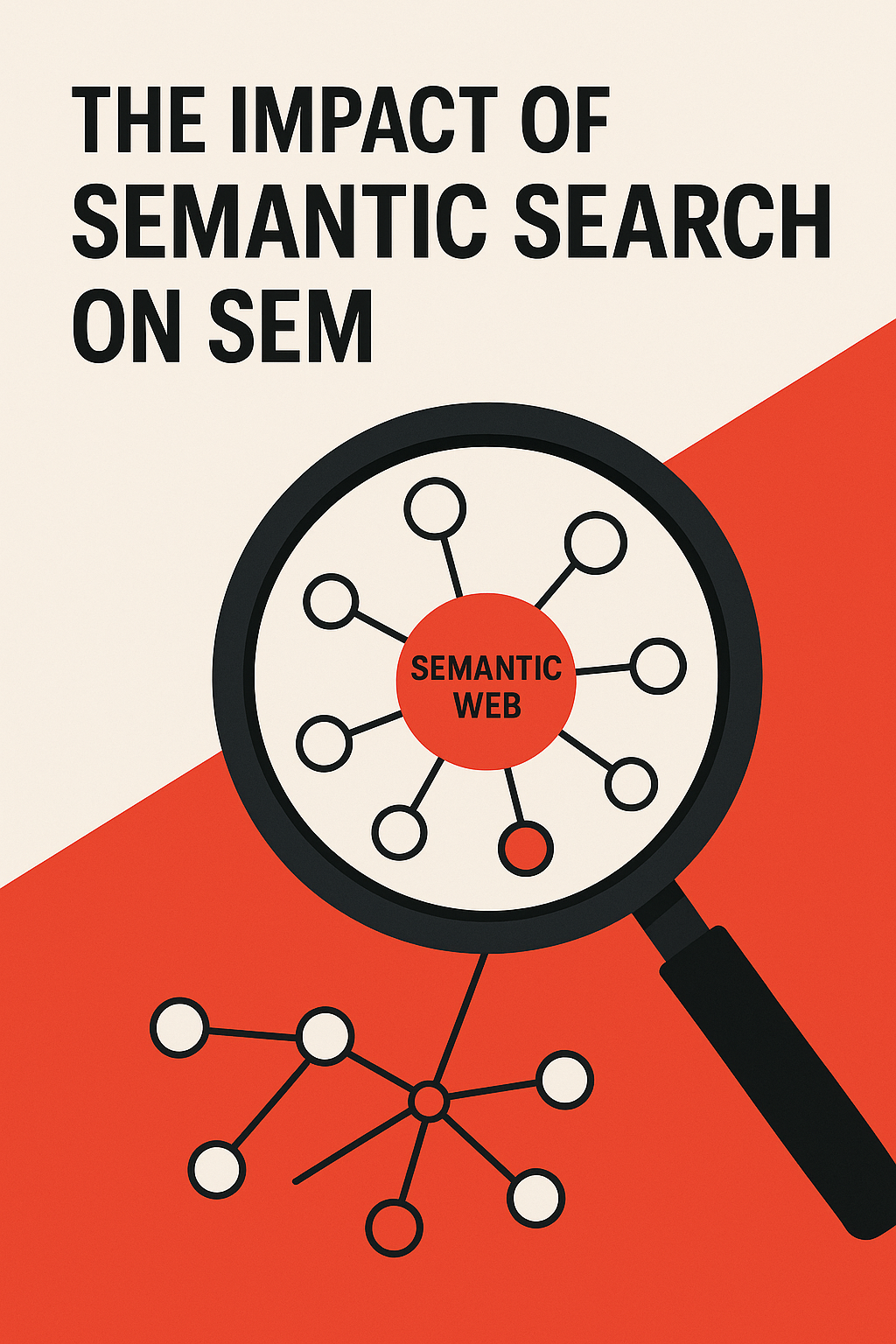
Semantic search refers to the process of understanding user intent and the contextual meaning of search queries to deliver more relevant results. It moves beyond traditional keyword matching to consider the relationship between words and phrases.
The Shift in Search Algorithms
Over recent years, search engines like Google have evolved to prioritize semantic understanding. This shift means that relying solely on basic keyword optimization is no longer sufficient; marketers must adapt to take full advantage of semantic capabilities.
Mistakes to Avoid
1. Not Considering User Intent
A common mistake in SEM is focusing solely on broad keywords without understanding user intent. Semantic search allows marketers to delve deeper into the context behind queries. For instance, a search for “best pizza” may indicate a local inquiry, while “best pizza recipes” suggests an informational search. Tailoring your ads and landing pages to align with these insights can lead to improved targeting and higher engagement rates.
2. Overlooking Structured Data
Another critical aspect is the use of structured data. By implementing schema markup, you can help search engines better understand the context of your content. This not only enhances organic search visibility but also improves the chances of your ads appearing for relevant queries, as platforms utilize this data to provide rich snippets in search results.
3. Ignoring Landing Page Optimization
Many businesses direct traffic to generic landing pages that do not align with the intent behind search queries. Optimizing landing pages with relevant, semantic-rich content can significantly enhance user experience and conversion rates. Focus on creating landing pages that answer specific queries that users may have.
4. Neglecting Data Analysis
Failing to analyze data from your SEM campaigns can lead to missed opportunities. Utilize advanced analytics to track how users interact with your ads compared to their queries. Understanding these behaviors can guide adjustments in targeting and messaging.
Implementing Semantic Search Strategies in SEM
1. Utilize Topic Clusters
Instead of isolating keywords, develop content around broader topics. Group related keywords together in a hierarchy, allowing you to cover various aspects of a topic comprehensively. This approach aligns with how search engines rank and assess content.
2. Leverage Natural Language
Incorporating natural language in your ads and landing pages is crucial. Phrase your content in a way that reflects how potential customers search. Consider using tools that analyze trending questions and queries related to your industry for better content creation.
3. Optimize for Voice Search
With the rise of voice-activated search, many users are now using natural, conversational language when searching. Optimizing for voice search requires anticipating longer, more detailed questions users may ask, often reflecting their intent.
4. Measure Success with the Right Metrics
Focusing on traditional metrics can be misleading. In addition to click-through rates (CTR) and conversion rates, consider metrics that reflect engagement and user satisfaction, such as dwell time and bounce rates. These insights can validate whether semantic strategies are effectively meeting user needs.
Conclusion
Integrating semantic search in SEM is no longer an option but a necessity in today’s digital marketing environment. By avoiding common pitfalls, leveraging semantic strategies, and focusing on user intent and experience, digital marketing managers can enhance their campaign performance, improve ad relevance, and drive more effective results. To dive deeper into enhancing your SEM strategy, visit our blog for more insights on optimizing your approach with semantic capabilities.