Understanding First-Party Data Strategies
In today’s competitive landscape, small and medium-sized enterprises (SMEs) face the challenge of maximizing their marketing efforts with limited resources. One of the most effective approaches to achieving this is through first-party data strategies. This involves collecting and using data directly from customers, which can significantly enhance marketing efficacy.
The Importance of Data-Driven Personalization
Data-driven personalization allows SMEs to tailor their marketing campaigns to the specific preferences and behaviors of their customers. This not only increases engagement but also fosters loyalty. For instance, by analyzing purchase history and customer interactions, businesses can push personalized recommendations that resonate with their audience.
Common Pitfalls in Implementing First-Party Data
- Neglecting Data Quality: High-quality first-party data is vital. Ensure that the data collected is accurate, relevant, and updated regularly.
- Underutilizing Customer Segmentation: SMEs often overlook the power of segmenting customers based on their behaviors and preferences, which can lead to ineffective marketing strategies.
- Failing to Integrate Data Across Channels: Data should not exist in silos. Utilizing an integrated system allows SMEs to gain holistic insights into customer behavior across different platforms.
Leveraging Customer Data Insights
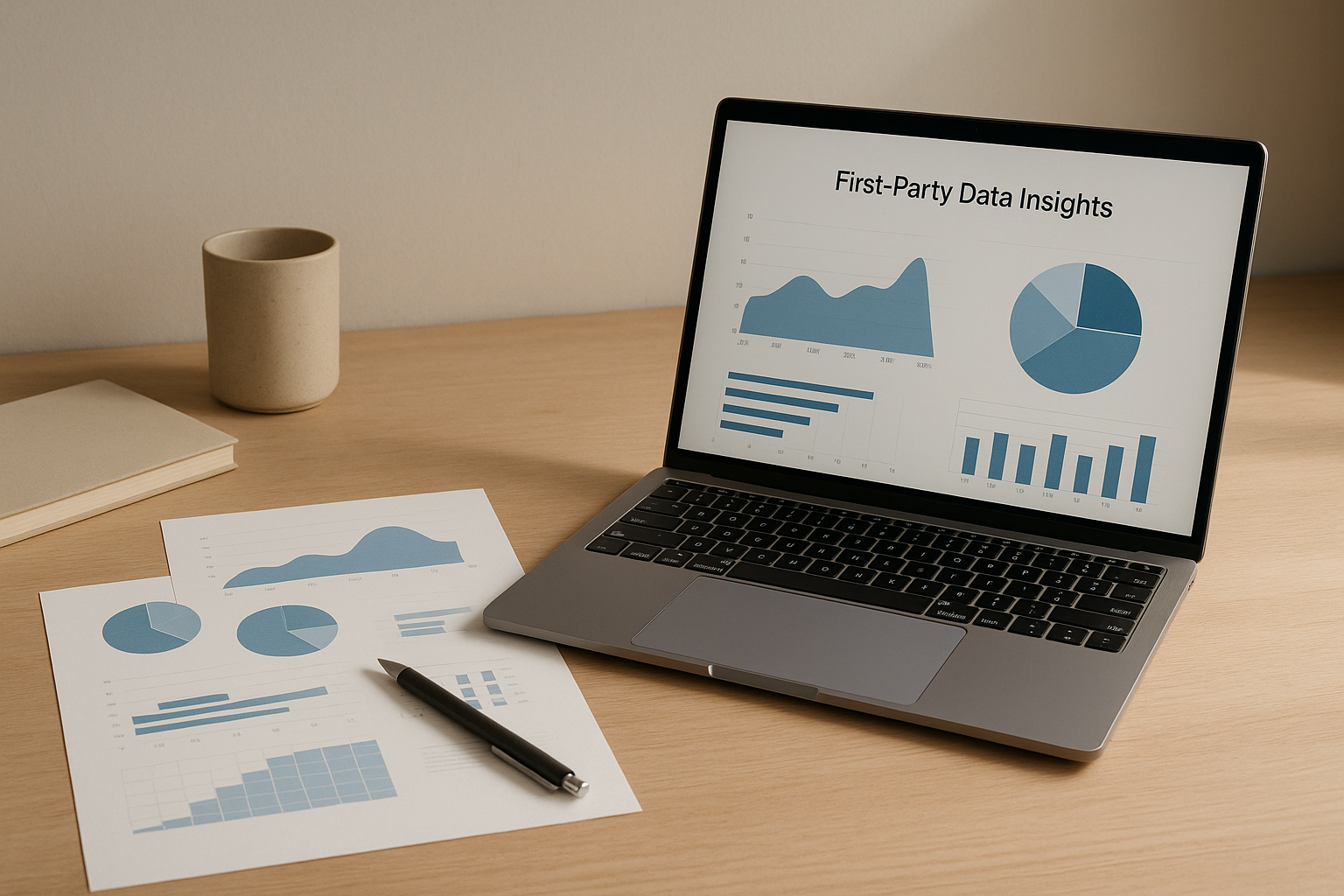
Once SMEs accumulate first-party data, the next step is leveraging that data for actionable insights. This involves careful analysis and interpretation, which can guide marketing strategies effectively. For example, tracking customer behavior can reveal the most engaging content types or identify the best time for outreach campaigns.
Tools for Analyzing First-Party Data
Several analytics tools can assist SMEs in making informed decisions based on customer data:
- MediaGround Analytics – A powerful tool designed for tracking user engagement and behavior.
- Google Analytics – An essential resource for understanding web traffic and user interactions.
- CRM platforms – These can provide valuable insights through customer relationship management.
Designing Personalized Marketing Campaigns
After gathering insights, SMEs should focus on designing marketing campaigns that resonate with their target audience. Here’s how:
- Automation Tools: Automating marketing processes such as email campaigns can save time and ensures that messages are consistent and tailored.
- Engagement Across Multiple Platforms: Utilize channels like social media and paid search to distribute personalized content to specific audience segments.
- Testing and Iteration: Continuously test marketing messages and adjust campaigns based on customer response.
Measuring Success of First-Party Data Strategies
For SMEs, measuring the effectiveness of their first-party data strategies is crucial for ongoing improvement. Key performance indicators (KPIs) such as customer engagement rates, conversion rates, and return on investment (ROI) should be regularly monitored and analyzed.
Common Metrics to Consider
- Click-Through Rate (CTR)
- Customer Lifetime Value (CLV)
- Cost Per Acquisition (CPA)
Conclusion
Incorporating first-party data strategies into SME marketing efforts is not just beneficial but essential in the current digital age. By understanding and leveraging customer data effectively, SMEs can design tailored marketing campaigns that significantly enhance engagement and drive growth. If you’re ready to harness your business’s data for smarter marketing, explore how our analytics services can help you achieve success.