Understanding the Importance of Branding Consistency
Branding consistency is the foundation of a successful digital marketing strategy, especially for small and medium-sized businesses (SMEs). In a digital landscape filled with competition, how your brand is perceived can significantly impact user trust and engagement. By maintaining a consistent brand identity across different platforms, businesses not only enhance recognition but also build credibility with their audience.
What is Branding Consistency?
Branding consistency refers to how consistently a brand presents itself visually and conceptually across various channels. This includes elements such as logos, colors, fonts, and messaging. For SMEs, achieving this consistency is crucial not just for brand identity but also for user experience (UX) design.
The Connection Between Branding and UX Design
Integrating branding consistency into your user experience strategy isn’t merely a matter of aesthetics; it’s a strategic choice that directly influences user behavior and engagements. When branding elements are perceived as cohesive, users are more likely to engage with the content and services offered.
Common Pitfalls in Achieving User-Centric Branding
- Lack of Cohesion: Inconsistent visuals and messaging can confuse prospective customers, leading to a lack of trust.
- Ignoring User Intent: Failing to align branding with user needs can result in missed opportunities for engagement.
- Disparity Across Touchpoints: Variability in how your brand is represented on different platforms can weaken user recognition.
Aligning Brand Identity with User Experience
To effectively bridge the execution gap between branding consistency and intent-based UX design, businesses must prioritize understanding and implementing user-centric design principles. Here are several key strategies to align brand identity with UX:
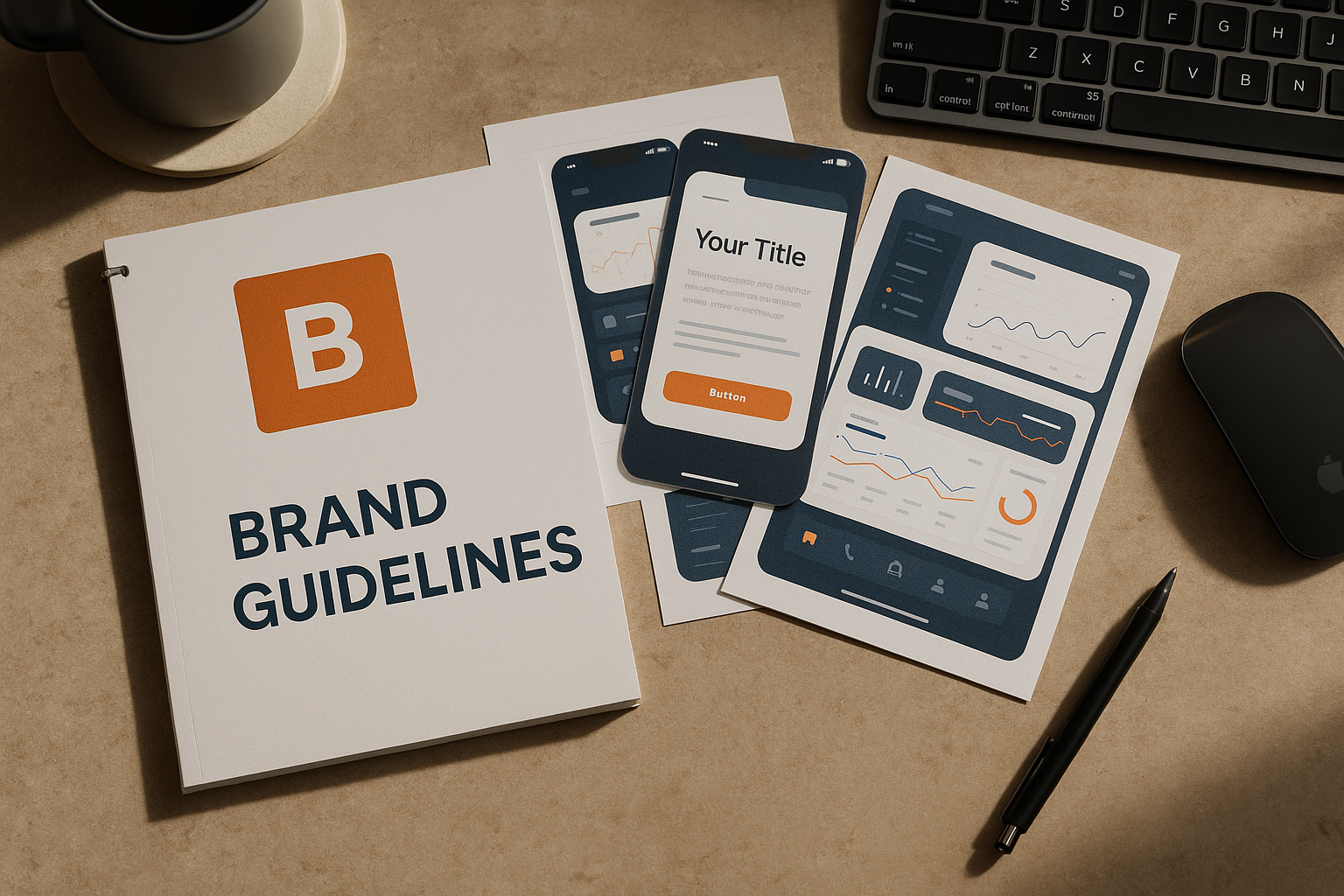
1. Develop a Comprehensive Brand Guide
A brand guide communicates your brand’s visual and voice elements, ensuring all marketing materials are aligned. This guide should detail logo usage, color palettes, typography, and messaging guidelines.
2. Conduct User Research
Understanding your target audience’s preferences and needs is critical. Using techniques such as surveys and user testing can provide insight into how your brand is perceived and how it can better resonate.
3. Optimize Touchpoints for User Intent
Every interaction point presents an opportunity for engagement. Ensure that your website, social media, and advertising are optimized to reflect your brand’s identity while catering to the user’s intent.
Practical Examples of Branding Consistency in UX
Let’s look at a couple of practical examples that demonstrate how consistent branding can enhance user experience:
Example 1: Website Design
- Utilize a consistent color scheme and typography across all pages, which fortifies brand identity.
- Ensure your messaging aligns with user expectations, providing clear value propositions and CTAs.
Example 2: Social Media Marketing
- Maintain brand voice consistency across posts to bolster recognition in a crowded feed.
- Employ cohesive visuals that can enhance brand recall during user interactions.
What to Measure for Success
To gauge the effectiveness of your branding consistency in UX design, it’s important to track relevant metrics:
- Engagement Rates: Monitor how often users interact with your content.
- Brand Recall Tests: Conduct tests to see how well users recognize your brand.
- User Feedback: Regularly collect feedback to understand user perceptions and experiences.
Conclusion
Branding consistency in UX design is not just a trend; it’s a necessity for SMEs aiming to enhance their digital marketing effectiveness. By bridging this execution gap, businesses can significantly improve user engagement and build lasting relationships based on trust and reliability. For more tailored solutions to improve your digital marketing strategies, explore our UX and branding services.