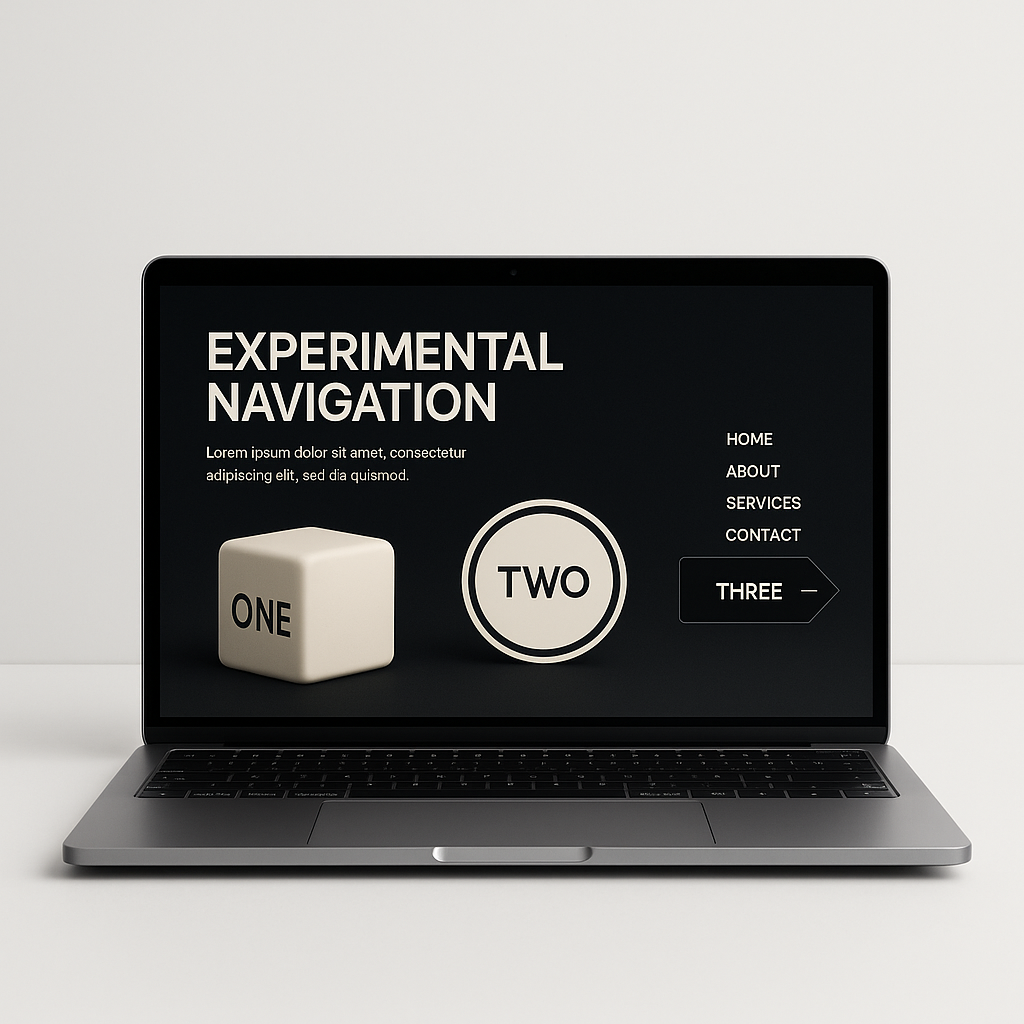
Introduction to Experimental Navigation in Web Design
In the ever-evolving landscape of web design, experimental navigation in web design has emerged as a crucial area for enhancing user experience. As digital marketing professionals and web developers, understanding this concept is essential for creating engaging interfaces that not only captivate audiences but also drive conversion rates. Today’s users expect intuitive and dynamic websites that reflect creativity and innovation. However, many designers overlook the possibilities and benefits of pushing the boundaries of traditional navigation.
Why Focus on Experimental Navigation?
Users interact with websites differently, and employing experimental navigation strategies can address these diverse needs. By experimenting with layout, menu design, and interaction patterns, designers can tailor experiences that resonate with their target audiences. This approach not only enhances user engagement strategies but also opens avenues for improving conversion rates.
Benefits of Creative Website Navigation
- Increased User Engagement: Unconventional navigation can intrigue users, encouraging them to explore more of the site.
- Enhanced Brand Identity: Tailoring navigation to reflect your brand’s personality can create a unique user experience.
- Improved Conversion Rates: Well-thought-out navigation paths guide users toward desired actions more effectively.
Common Mistakes to Avoid
1. Overcomplicating Navigation
One of the most common pitfalls is making navigation too complex. While it’s tempting to include multiple layers of content, over-complication can overwhelm users. Aim for a balance where the navigation is innovative yet intuitive.
2. Neglecting Mobile Users
With mobile usage surpassing desktop, ensuring that experimental navigation works seamlessly across all devices is essential. Test designs on various screen sizes to confirm usability and functionality.
3. Failing to Analyze User Behavior
Implementing experimental navigation without analyzing user interaction can lead to ineffective changes. Use analytics tools to measure how users engage with new navigation elements to make informed adjustments.
Effective Strategies for Implementing Experimental Navigation
1. Incorporate Unique Menu Styles
Explore various menu styles, such as hamburger menus, tabbed navigation, or dynamic scrolling menus. Each style can provide a different user experience, allowing you to understand what resonates best with your audience.
2. Utilize Micro-interactions
Micro-interactions can guide users through their journey. For instance, subtle animations when hovering over buttons can enhance engagement and signal navigational choices effectively.
3. Embrace Asymmetrical Layouts
Asymmetrical designs can break the monotony of conventional layouts. By experimenting with asymmetric grids or irregular shapes, you can create an intriguing visual flow that captivates users.
Measuring the Impact of Experimental Navigation
To understand the effectiveness of your experimental navigation, it is vital to have a clear measurement strategy. Look at metrics such as:
- Time on Page: Are users spending adequate time on key pages?
- Bounce Rates: Are users leaving the site immediately?
- Conversion Rates: Are users completing desired actions more frequently?
Utilizing analytics and attribution tools can provide insights into these metrics, allowing for informed decision-making and adjustments to your navigation strategy.
Conclusion: The Future of Navigation in Web Design
As we continue to navigate the complexities of digital design, embracing experimental navigation in web design offers a promising path toward increased user engagement and conversion optimization in design. By avoiding common mistakes and implementing thoughtful strategies, designers can create memorable and effective user experiences. The time to innovate is now—visit our website to explore our innovative web design services and see how you can make the most of experimental navigation.