Introduction
As the digital landscape evolves, AI in UX web design has emerged as a topic of great interest, often misunderstood. Many believe that AI can completely replace human creativity in web design, leading to misconceptions about its role in enhancing user experience. In this article, we aim to clarify the myth versus reality of AI’s impact on UX design, particularly for digital marketing managers and web designers in small to medium enterprises (SMEs).
Understanding AI’s Role in UX Design
Contrary to common beliefs, AI does not exist to supersede human designers but to assist them. Machines and algorithms can analyze user behavior data more efficiently than humans, enabling designers to create interfaces that truly resonate with users. This capability allows marketers and designers to focus more on strategy rather than getting bogged down in analytics.
AI in Data Analysis
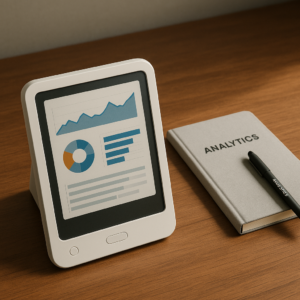
One of the most significant advantages of integrating AI into UX design trends is its ability to process vast amounts of data. When analyzing user interactions, AI can identify patterns that might not be visible to the human eye. This analysis allows teams to make informed decisions about design adjustments that can significantly enhance user experiences.
Personalization through AI
AI has the potential to deliver personalized experiences based on user behavior, preferences, and demographics. For instance, a personalized approach can make a website more relevant, thereby increasing user engagement. Studies show that a considerable percentage of users prefer websites that offer AI-driven personalization.
The Benefits of AI in Enhancing User Interfaces
Here, we will cover practical applications that demonstrate how AI can enhance user interfaces.
Improving Accessibility
AI tools can assist in improving accessibility for users with disabilities. Features such as voice navigation, image recognition, and AI-driven chatbots create more inclusive and user-friendly environments. This enhancement not only complies with regulations but also broadens the audience reach.
Streamlining User Journeys
AI can help designers streamline user journeys by predicting user needs and offering them immediate solutions. For example, chatbots can answer frequently asked questions, guiding users more efficiently through potential challenges they may face while navigating a site. This proactive approach to user assistance can significantly elevate the overall user experience.
Challenges and Misconceptions
Despite its many advantages, there are persistent misconceptions surrounding AI’s integration into UX design. Some common myths include:
- AI Will Replace Designers: As mentioned earlier, AI is a tool to support designers, not replace them. Human creativity remains irreplaceable.
- AI Only Benefits Large Enterprises: AI-driven tools are increasingly accessible for SMEs, offering affordable solutions that yield significant benefits.
- Complexity of AI Metrics: While AI can analyze vast datasets, user-friendly platforms are available that simplify these metrics into actionable insights.
Measuring the Impact of AI on UX Design
To evaluate the effectiveness of AI in UX, marketing teams must focus on specific KPIs. Among them:
- User engagement rates
- Conversion rates
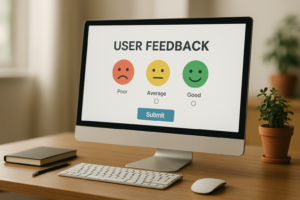
- Customer satisfaction scores
- Retention rates
Understanding how each of these metrics shifts as AI is integrated will provide valuable insights into its impact and efficacy.
Case Studies: Real-World Applications
Many organizations have successfully implemented AI strategies to enhance UX. For example, e-commerce sites that employ AI-driven product recommendations based on users’ past browsing behaviors have observed higher engagement and conversion rates. This example illustrates the potential of AI to make digital interactions more relevant and satisfying.
Conclusion
The integration of AI in UX web design is not merely an evolution in technology; it is a practical strategy that, when applied correctly, can yield tremendous benefits. Digital marketing managers and web designers must remain informed about the realities of AI and its capabilities. By understanding how to effectively harness AI, you can significantly enhance user interfaces and optimize the user experience. For more guidance on implementing AI strategies in your web design, explore how AI can transform your web design with our experts.