Introduction
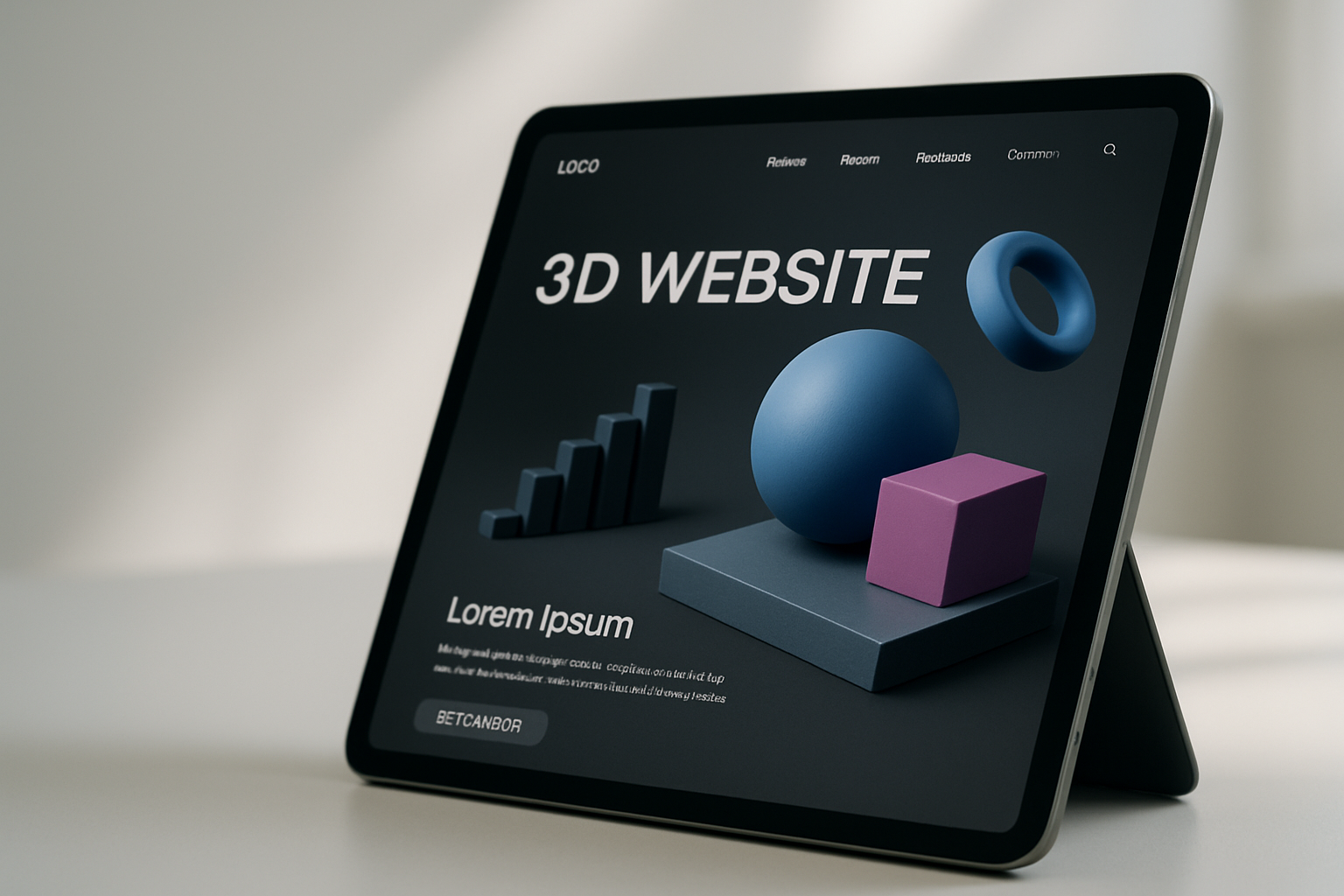
As digital landscapes evolve, 3D and immersive web design emerges as a pivotal tool for small and medium enterprises (SMEs) looking to enhance user engagement and drive conversion rates. While many businesses experiment with standard design elements, the incorporation of 3D graphics and immersive experiences often remains underutilized. This article delves into the benefits SMEs can reap by adopting these technologies and outlines practical strategies for implementation.
Understanding the Value of 3D and Immersive Design
With users increasingly gravitating towards engaging digital content, SMEs must adapt to present a more visually compelling and interactive experience. Not only do 3D elements capture attention effectively, they also create lasting impressions, potentially leading to increased customer loyalty and higher conversion rates. In 2026, embracing web design trends that focus on immersive experiences allows companies to differentiate themselves in a crowded marketplace.
The Psychology Behind Immersive Experiences
Research shows that immersive design can significantly enhance user experience by making content feel more accessible and engaging. Users tend to retain information presented in a 3D format better than traditional layouts. Furthermore, by appealing to both visual and tactile senses, 3D elements bolster emotional connections with the brand, facilitating deeper customer engagement.
Practical Strategies for Integration
Implementing 3D and immersive elements into your web design does not have to be overwhelming. Here are some strategic approaches tailored for SMEs:
1. Start Small with 3D Product Visualizations
One of the easiest ways to begin integrating 3D elements in customer engagement is through product visualizations. Instead of static images, provide users with 3D models that they can rotate and view from multiple angles. This strategy not only enhances user interaction but also builds trust by offering a more comprehensive look at products.
2. Use Virtual Reality (VR) for Showcases
Consider creating VR experiences where users can explore your offerings in a simulated space. For instance, a furniture retailer could allow customers to visualize how a piece would look in their own home via an interactive VR setup. This immersive approach can significantly influence purchasing decisions as customers see products in action.
3. Leverage 3D Animations for Brand Storytelling
3D animations can be an impactful way to tell your brand’s story. Instead of using a text-heavy approach, utilize animation to depict your company’s journey, values, and mission in a way that captivates and resonates with the audience. This not only keeps visitors engaged but also fosters an emotional connection to your brand.
Measuring Success with Analytics
Incorporating new design elements should be accompanied by solid metrics to gauge their effectiveness. Utilize tools like Google Analytics to track user interactions with 3D features, such as how long users engage with the content and any correlation to user conversion paths. By analyzing this data, SMEs can make informed adjustments to their web design and marketing strategies.
Key Metrics to Track
- Engagement Time: Measure how much time users spend interacting with 3D elements.
- Click-Through Rates: Analyze the conversion rates from users interacting with 3D elements to those completing purchases.
- User Feedback: Collect qualitative data through surveys to understand user perceptions of 3D and immersive features.
Conclusion
The future of web design is undoubtedly leaning towards 3D and immersive experiences. SMEs that embrace these technologies can significantly enhance user engagement and conversion rates. By starting with small implementations such as 3D visualizations and expanding to comprehensive immersive experiences, businesses can create memorable interactions that set them apart from competitors. As you consider the potential of 3D and immersive web design, explore our web design services to learn more about optimizing your digital presence.